
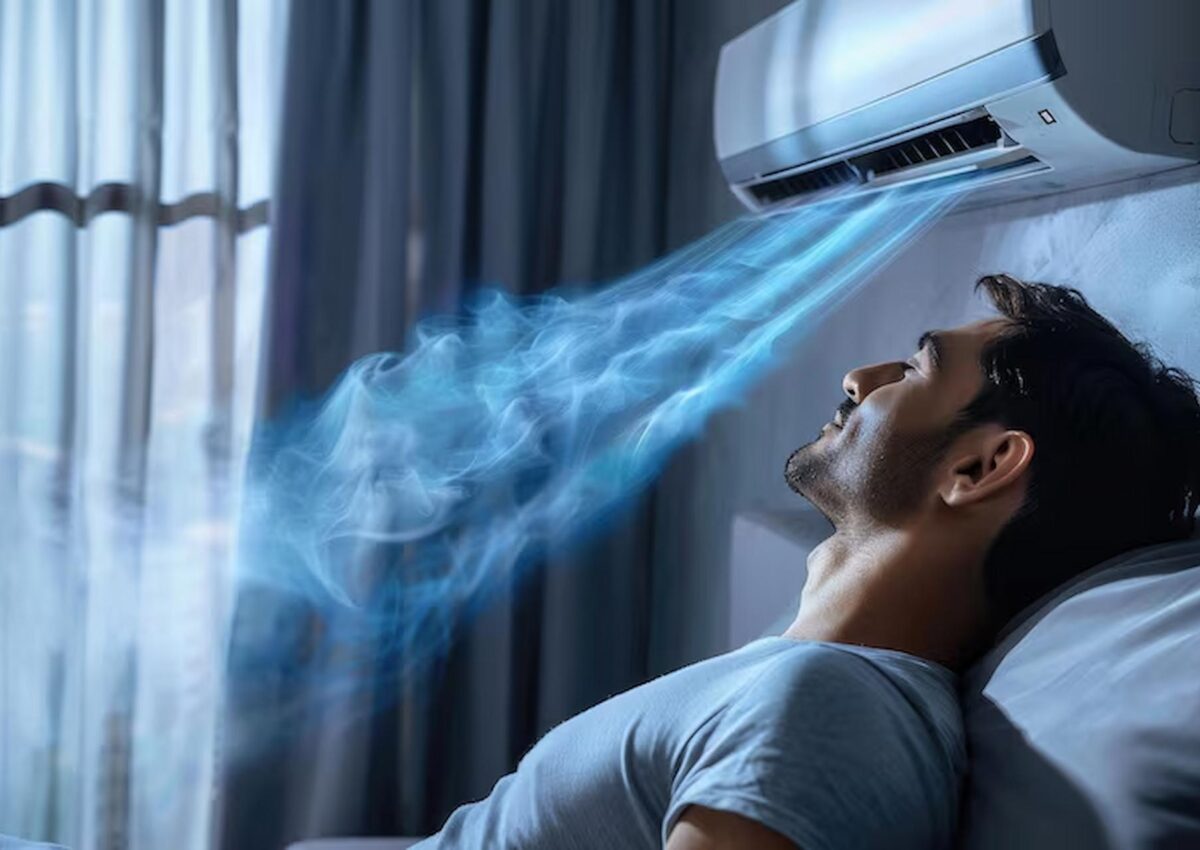
As the last traces of winter fade and the early blooms of spring appear, most homeowners are focused on yard work and spring cleaning. However, there is a silent powerhouse in your home that requires your immediate attention before the first true heatwave arrives: your air conditioning system. After sitting idle for months, an HVAC unit can develop minor mechanical issues, settle with dust, or suffer from degraded electrical connections. Waiting until the mercury hits 90 degrees to test your system is a gamble that often results in emergency service calls and uncomfortable sleepless nights. Being proactive now ensures that your home remains a sanctuary of cool air when the humidity begins to climb.
Early spring is the optimal window for a system “test run” and professional evaluation. By identifying performance gaps early, you avoid the mid-summer rush when technicians are at their busiest. If you notice that your unit is struggling to reach the set temperature or is making unusual sounds during startup, it is time to look into professional AC repair in Rochester, NY. Addressing these small red flags during the shoulder season not only prevents a total system breakdown but also keeps your monthly energy bills from skyrocketing due to mechanical inefficiency.
Listen to Your System: Strange Noises and Smells
A healthy air conditioner should operate with a consistent, low-level hum. If you begin to hear grinding, squealing, or persistent clicking, these are clear indicators of mechanical distress. Grinding often points to worn-out bearings in the blower motor, while squealing can indicate a belt that is slipping or reaching the end of its lifespan. Ignoring these sounds is a recipe for a more expensive replacement later in the year.
Similarly, your nose can be a powerful diagnostic tool. If you turn on your vents and notice a Musty or “dirty sock” smell, you likely have mold or bacterial growth on your evaporator coils or within the ductwork. Conversely, a sharp, burning odor could suggest that the insulation on your electrical wiring has begun to singe. Because safety is paramount, any burning smell should prompt an immediate call for AC repair in Rochester, NY to prevent a potential electrical hazard.
Inconsistent Airflow and Warm Vents
One of the most frustrating warning signs is a system that runs constantly but fails to actually cool the home. If you feel weak airflow coming from your registers, your blower fan may be failing, or your ductwork could have significant leaks. Even worse is “warm air” blowing when the thermostat is set to cool. This often points to a refrigerant leak or a failing compressor.
Checking for Restricted Airflow
Before assuming the worst, check your air filters. A heavily clogged filter can restrict airflow so severely that the evaporator coils freeze over, turning your AC into a literal block of ice. If your filters are clean but the air remains tepid, the issue is likely internal. A professional technician can check the refrigerant pressures and ensure the heat exchange process is functioning correctly, allowing your home to reach the desired “set point” quickly and efficiently.
Frequent Cycling and Humidity Issues
Does your air conditioner turn on and off every few minutes? This behavior, known as “short-cycling,” is incredibly taxing on the compressor—the most expensive part of your cooling system. Short-cycling can be caused by anything from an oversized unit to a malfunctioning thermostat or a clogged drain line. Furthermore, if your home feels “sticky” or humid despite the AC running, the system isn’t successfully removing moisture from the air. A modern, well-tuned system should act as a dehumidifier, keeping the indoor environment crisp and dry.
Visual Red Flags Around the Unit
You don’t need to be an HVAC expert to perform a basic visual inspection of your outdoor condenser. Walk around the unit and look for the following “hidden” warning signs that indicate a service visit is necessary:
- Puddles or Leaks: While some condensation is normal, large pools of water or colorful refrigerant stains around the base indicate a leak.
- Frozen Coils: Visible ice on the copper lines or the outdoor coil is a sign of a serious airflow or refrigerant pressure issue.
- Frayed Wiring: Check for any wires that look chewed by pests or cracked due to winter exposure.
- Accumulated Debris: Ensure that leaves, mulch, and twigs aren’t choking the aluminum fins of the condenser, which prevents heat dissipation.
Conclusion
Your cooling system is a complex piece of machinery that requires regular calibration to perform its best. By keeping an eye out for unusual noises, monitoring your energy bills for sudden spikes, and performing a simple visual check, you can stay ahead of the summer heat. Don’t let a minor mechanical hiccup turn into a major financial headache. Taking action now ensures your family enjoys uninterrupted comfort all summer long.