
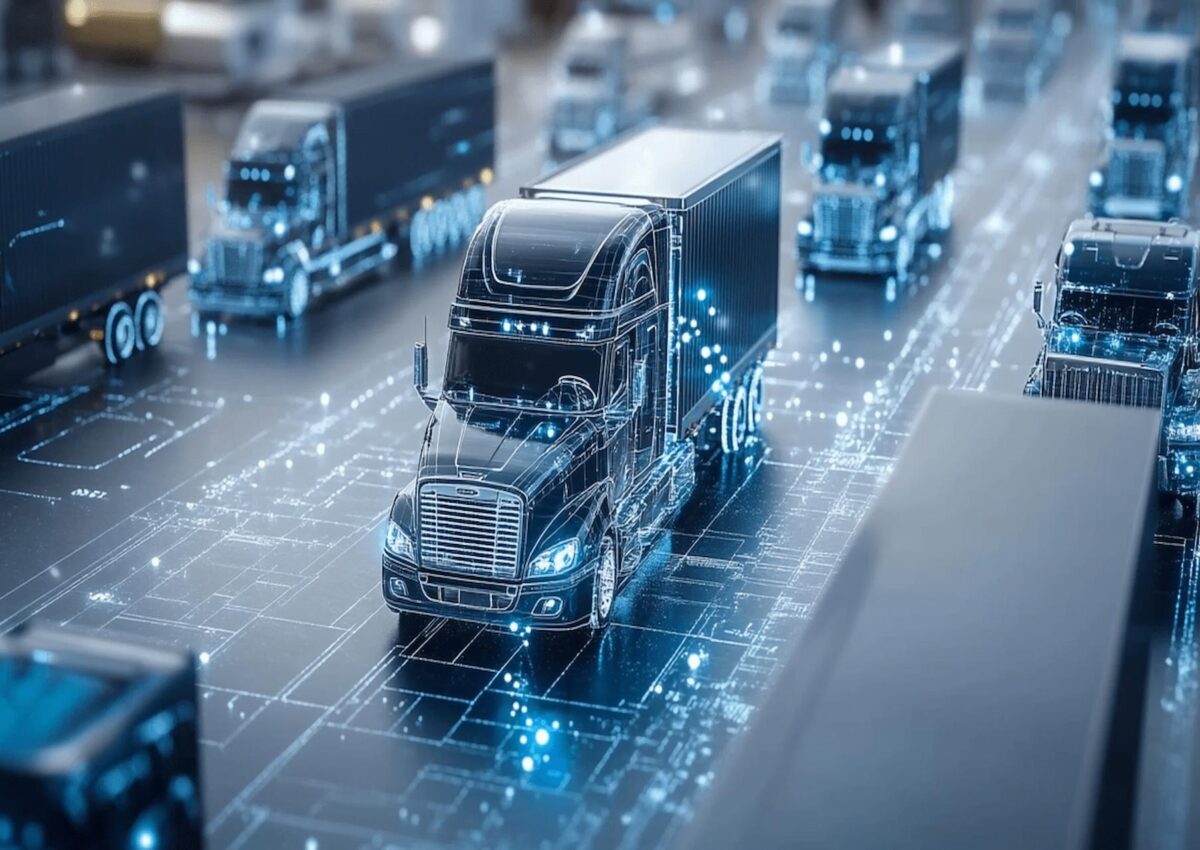
Fleet managers constantly juggle rising costs, regulatory pressures, and the need for operational efficiency. Traditional methods of tracking expenses often rely on spreadsheets and periodic reports, which can obscure deeper trends and opportunities for savings. Today, artificial intelligence is transforming how businesses understand and control their fleet spending. By processing vast amounts of telematics, fuel, maintenance, and route data in real time, AI-driven analytics reveal patterns that would otherwise remain hidden. Leading innovators such as AI Corporation are making these insights more accessible and actionable for organisations of all sizes.
The Hidden Layers of Fleet Expenditure
Fleet spending is rarely straightforward. It encompasses fuel, maintenance, insurance, driver wages, tolls, and unexpected downtime. What makes AI particularly powerful is its ability to correlate these seemingly separate categories and identify causal relationships.
For instance, a vehicle that appears to have average fuel consumption might actually be burning more on specific routes due to idling patterns or suboptimal speeds. AI systems can isolate these variables across hundreds or thousands of vehicles, producing a granular view of where money is truly being spent. This moves fleet management from reactive accounting to proactive optimisation.
Fuel Consumption: Beyond Simple Mileage Reports
Fuel often represents the largest single expense for fleets. AI-driven analytics go far beyond monthly totals to uncover nuanced insights. Algorithms can detect inefficiencies such as aggressive acceleration, excessive idling, or routes that consistently encounter heavy traffic.
More advanced systems analyse external factors like weather, road conditions, and even vehicle load to predict optimal refuelling times and locations. One common revelation is that a small percentage of vehicles or drivers can account for a disproportionate share of fuel costs. By flagging these outliers early, managers can intervene with targeted training or vehicle reallocation, often achieving savings of 10-15% within the first few months.
Maintenance Costs and Predictive Insights
Unplanned maintenance and vehicle downtime are notorious budget disruptors. AI analytics shift this paradigm by identifying early warning signs from sensor data – unusual vibrations, temperature fluctuations, or brake wear patterns – long before they result in breakdowns.
Predictive maintenance models can estimate the remaining useful life of components with remarkable accuracy. This allows fleets to schedule servicing during quieter periods rather than facing emergency repairs that inflate costs through overtime, towing, and lost productivity. Over time, these systems also reveal whether certain vehicle models or suppliers deliver better long-term value, informing smarter procurement decisions.
Route Optimisation and Its Financial Ripple Effects
Inefficient routing quietly erodes profitability. AI tools analyse historical data alongside real-time traffic, weather, and delivery windows to suggest routes that minimise both time and fuel use. The benefits extend beyond direct savings.
Shorter, smoother routes reduce vehicle wear, lower emissions (which can improve compliance with environmental regulations), and enhance driver satisfaction. Some platforms even simulate “what-if” scenarios, showing the potential impact of adding electric vehicles or adjusting delivery schedules. These insights help fleets balance cost reduction with service quality.
Understanding Driver Behaviour’s Role in Spending
Drivers significantly influence fleet expenses, yet their impact can be difficult to quantify without advanced analytics. AI systems evaluate metrics such as harsh braking, speeding, and gear shifting to generate individual and team performance profiles.
Importantly, these tools focus on improvement rather than punishment. Personalised coaching recommendations, based on data, often lead to measurable behavioural changes. Fleets that combine AI insights with positive reinforcement programmes frequently see reductions in accidents, insurance premiums, and fuel consumption simultaneously.
Detecting Fraud and Anomalies
Another valuable capability is anomaly detection. AI can spot unusual patterns that suggest fuel theft, unauthorised personal use, or inflated maintenance claims. For example, sudden spikes in fuel usage at odd hours or discrepancies between GPS data and reported odometer readings trigger automatic alerts.
This level of vigilance protects budgets without requiring constant manual oversight. Many organisations report recovering significant sums simply by addressing issues that traditional monitoring systems would have missed.
Turning Insights into Strategic Advantage
The true power of AI-driven analytics lies in moving from isolated observations to holistic strategy. Dashboards can visualise spending trends across the entire fleet, highlighting seasonal variations, the impact of new regulations, or the return on investment for specific initiatives.
For growing fleets, these tools help forecast future costs under different scenarios, supporting confident decisions about expansion, fleet electrification, or outsourcing. The integration of external data sources – such as commodity prices or regional economic indicators – further enhances predictive accuracy.
Overcoming Implementation Challenges
Adopting AI analytics does require initial investment in data infrastructure and staff training. However, many modern solutions are cloud-based and scalable, reducing upfront costs. The key to success lies in choosing platforms that integrate smoothly with existing telematics systems and offer clear, actionable reporting rather than overwhelming data dumps.
Organisations that start with pilot programmes on a subset of vehicles often achieve quick wins that justify broader rollout. Clear communication about the benefits also helps secure buy-in from drivers and operational teams.
The Road Ahead for Data-Driven Fleets
As AI technology continues to evolve, fleet analytics will become even more sophisticated. Integration with autonomous vehicle systems, advanced sustainability tracking, and real-time carbon accounting are already on the horizon. Businesses that embrace these tools now will be better positioned to navigate rising costs, stricter regulations, and increasing customer expectations for reliable, eco-friendly logistics.
Ultimately, AI-driven analytics do not just reveal what your fleet is spending – they illuminate why, and more importantly, how to spend less while achieving more. By transforming raw data into strategic intelligence, these systems empower fleet managers to make informed decisions that strengthen both operational performance and financial health.
In an increasingly competitive landscape, understanding your spending patterns at this level is no longer a luxury but a necessity. Fleets that harness AI insights today will drive greater efficiency and resilience tomorrow.