
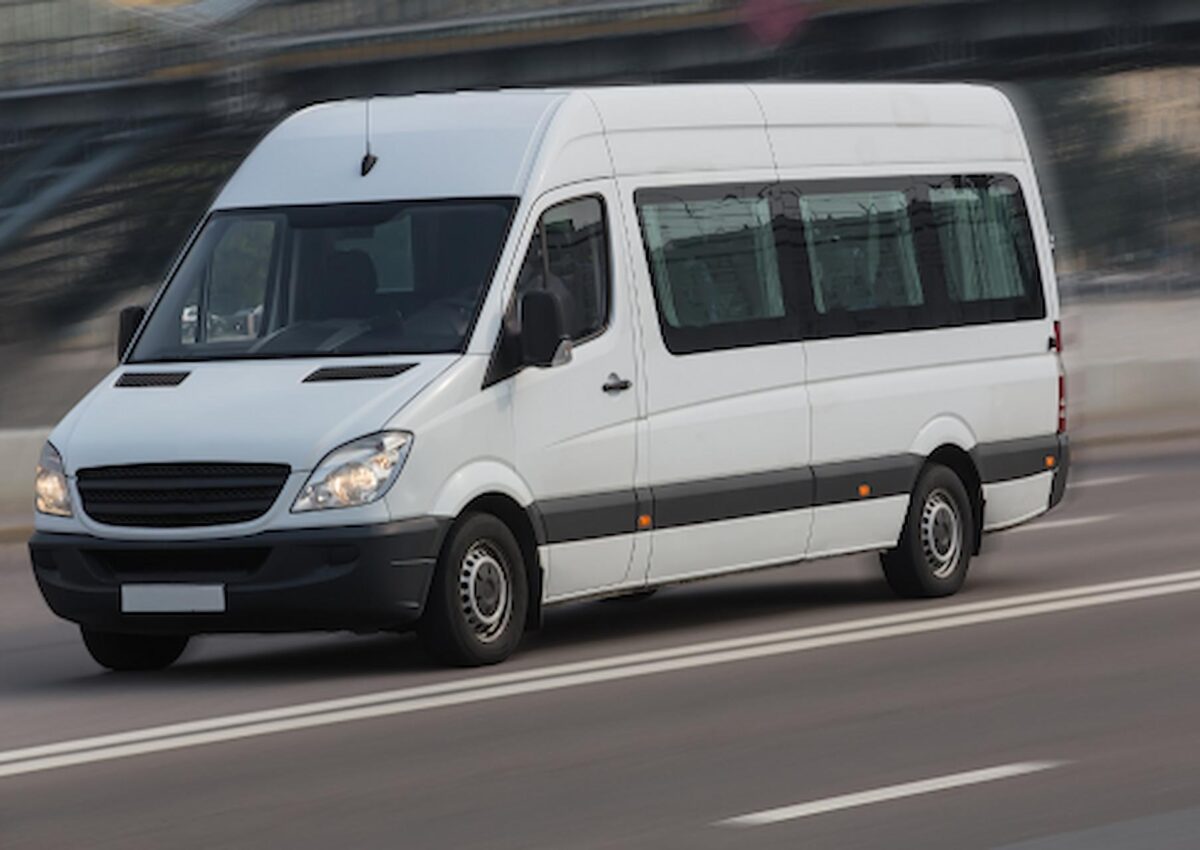
Passenger numbers alone do not show whether a minibus is the right vehicle. A school group may carry bags and lunch boxes. A sports team may have kit. Airport passengers may have suitcases. A care group may need walking aids or folded wheelchairs. The driver or operator should ask what passengers are bringing, not only how many people are travelling.
A vehicle used for group transport needs minibus insurance, but it also needs a realistic luggage plan. Cover deals with the professional use of the vehicle. Luggage planning deals with whether the vehicle can actually carry the people and items expected on the day.
A minibus is commonly associated with vehicles carrying several passenger seats, but some vehicles may also be adapted for needs such as wheelchair access or extra storage. This means the operator should not assume that every minibus has the same usable space. Seat layout, access points and storage design can change how much can be carried.
Luggage should not block aisles, doors or emergency exits. Loose bags can move during travel and make boarding harder. Heavy items should be placed where they can be stored securely. Drivers should avoid accepting a load that makes the vehicle unsafe or difficult to use.
The type of journey affects luggage needs. A local club trip may need small bags only. An airport transfer may need large suitcases. A school activity may involve equipment. A residential home trip may need mobility aids and personal items. Each journey should be treated on its own facts.
When reviewing minibus insurance, the operator may need to describe what the vehicle is used for, who it carries and whether it works as a single vehicle or part of a fleet. Those details are separate from luggage planning, but both require accurate information about real vehicle use.
Drivers should check luggage space before the first collection. If the vehicle already contains personal items, tools, cleaning equipment or unused seats, the usable space may be less than expected. Passengers should not discover this after they arrive with bags.
Clear booking questions help. The operator can ask how many passengers are travelling, how many large bags they have, whether any equipment is included and whether any passenger needs extra access space. These questions are simple, but they can prevent the wrong vehicle being sent.
Weight should also be considered. Even when items fit inside the vehicle, the driver should not ignore load limits or safe handling. Heavy bags can affect loading, unloading and passenger movement. The driver should use care when lifting and should not let passengers overload the vehicle.
Luggage can also affect timing. Loading bags for a group takes longer than a normal boarding process. Airport, hotel, school and event journeys may need extra minutes at collection and drop-off. If the schedule ignores this, the driver may feel rushed before the vehicle leaves.
Passenger comfort can suffer when luggage is poorly planned. People may lose legroom, sit beside bags or struggle to enter and leave. This is not a small issue on longer journeys. A cramped vehicle can make the service feel poorly managed.
Minibus insurance covers the formal vehicle use, while luggage planning protects the practical quality of the journey. The two points should not be confused. A vehicle can have suitable cover and still be the wrong choice for a group with too many bags.
The main point is direct. Luggage space should be treated as part of minibus planning, not as an afterthought. Drivers and operators should confirm passenger numbers, bags, equipment and access needs before the journey. This helps avoid unsafe loading, delays and poor passenger experience.