
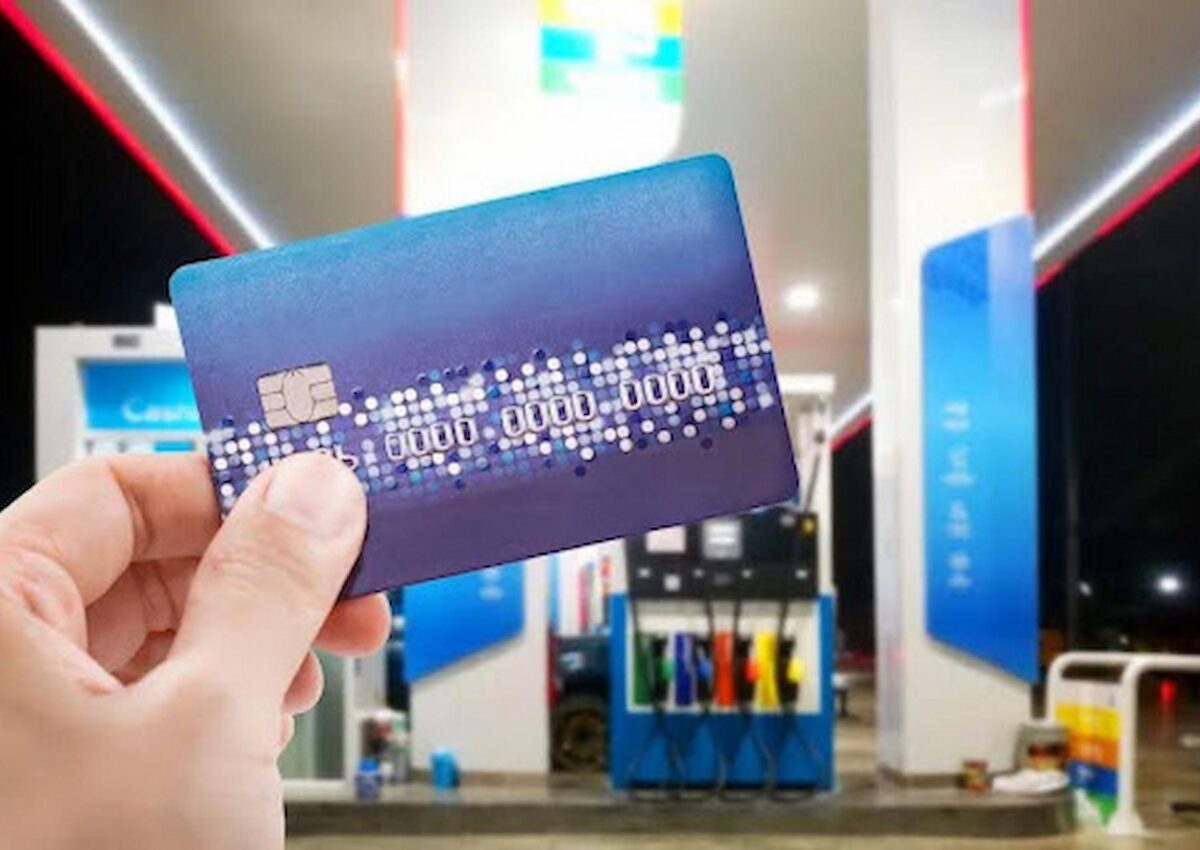
Modern businesses are rethinking fuel management, and the answer lies in more than just payments. Today’s fuel card solution goes beyond simple transactions—it delivers powerful insights, cost control, and efficiency gains that reshape how companies operate. From data transparency to employee accountability, fuel cards are no longer just a convenience; they’re a strategic tool for growth. Let’s explore the hidden benefits of modern fuel card solutions and why they are transforming business operations worldwide.
The way companies manage expenses is changing. Traditional methods are being replaced by smarter systems designed for control, efficiency, and long-term savings. One of the most powerful tools leading this shift is the fuel card solution.
While many view fuel cards as a straightforward way to pay for petrol or diesel, the reality is far more complex. Modern solutions go beyond payments. They provide deep insights, streamline administration, and support sustainability. For businesses with vehicles on the road—whether a small fleet or nationwide operations—fuel cards are no longer optional. They’re essential.
Simplifying Expense Management
Keeping track of fuel receipts and reimbursements can be messy. Paper records get lost, employees forget to submit details, and accounts teams waste hours verifying entries. A fuel card solution eliminates these issues.
Each purchase is logged digitally and linked directly to a driver or vehicle. This means no more piles of receipts, fewer errors, and faster processing. Finance teams gain clarity, while managers have instant access to data.
Real-Time Data and Insights
Information is power, and modern fuel cards put that power in your hands. Every transaction is captured in real time, offering complete visibility into fuel consumption.
This insight enables companies to:
- Identify unusual spending patterns
- Compare vehicle efficiency
- Track performance across different regions or teams
Such transparency empowers managers to make smarter decisions and control costs effectively.
Fraud Prevention and Security
Fuel theft and misuse continue to be a significant challenge for businesses. Without monitoring, it’s difficult to spot irregularities. The fuel card solution comes equipped with advanced security features.
They allow spending limits, PIN verification, and usage restrictions by time or location. Any suspicious activity can trigger alerts, enabling businesses to act before minor issues escalate into large financial losses.
Cost Savings Through Discounts
Another hidden benefit lies in negotiated discounts. Many fuel card providers partner with networks of fuel stations to offer competitive rates. Over time, these small savings add up to significant cost reductions.
Moreover, businesses avoid inflated reimbursements often associated with cash or personal card payments. The direct link between usage and reporting ensures accuracy and fairness.
Supporting Driver Accountability
Accountability improves when employees are aware that their usage is being tracked. Drivers become more mindful of their fuel habits, such as idling, speeding, or unnecessary detours.
Managers can analyse fuel efficiency by driver, encouraging positive behaviour and rewarding those who perform well. Over time, this fosters a culture of responsibility and fairness.
Time Savings for Admin Teams
Beyond cost, time is another crucial resource. Manual record-keeping and reimbursement processes are draining for admin staff. With a fuel card solution, reconciliation is automated.
Monthly statements are generated digitally and are ready for integration into accounting software. This reduces the workload for finance teams, freeing them to focus on strategic tasks rather than routine paperwork.
Enhancing Sustainability Efforts
Environmental responsibility is no longer optional. Businesses are facing increasing pressure to reduce emissions and operate sustainably. Fuel card systems help by offering detailed reports on fuel usage and carbon output.
This data allows companies to:
- Track carbon footprints
- Optimise routes for reduced fuel waste
- Encourage drivers towards greener practices
With these insights, organisations can demonstrate their commitment to sustainability to both regulators and customers.
Seamless Integration with Technology
Today’s digital landscape demands connectivity. Fuel card platforms often integrate with telematics, fleet management software, and accounting systems.
This synergy allows businesses to combine vehicle tracking, driver behaviour, and expense reporting into one ecosystem. The result is smoother operations and data-driven decision-making across departments.
Flexible Solutions for Different Business Sizes
Whether you run a small delivery service or manage hundreds of vehicles, fuel card providers tailor solutions to fit. Some offer nationwide networks, while others focus on regional coverage. Options include cards for diesel-only fleets, mixed fuel types, or even electric charging.
This flexibility ensures businesses can choose the solution that best aligns with their operations, without unnecessary costs.
Building a Competitive Edge
In competitive industries, every advantage matters. Businesses that embrace advanced fuel card solutions gain not only cost control but also operational agility.
With reduced admin time, lower fraud risk, and improved sustainability reporting, companies can focus resources on growth and customer satisfaction. Over time, this creates a stronger, more competitive business model.
Final Thoughts
The modern fuel card solution is far more than a payment tool. It’s a system that drives efficiency, security, sustainability, and savings. Businesses that adopt these cards are equipping themselves with a strategic advantage that extends well beyond fuel costs.
In today’s environment, where efficiency and transparency are paramount, ignoring the hidden benefits of fuel card solutions could mean falling behind. By embracing this technology, businesses prepare not only for smoother operations but also for a more sustainable, competitive future.