A damaged, misted, or inefficient window can affect security, comfort, and energy performance. Before authorising any work, ask the right questions about the damage, glass, qualifications, costs, guarantees, and timescale. Careful checks will help you choose a safe, practical, and lasting solution without facing avoidable expenses later.
Introduction
Windows are essential to the security, comfort, appearance, and energy efficiency of any property. However, deciding how to address cracked glass, condensation, chips, or damaged units is not always straightforward. Before committing to window repair and replacement, you should understand the problem and proposed solution clearly. Asking focused questions helps you assess the glazier’s experience, compare costs, and avoid paying for unnecessary work. It also ensures the chosen glass suits the property. A dependable professional should explain every stage openly, from the initial inspection and temporary security measures to the installation, clean-up, and guarantee provided after completing the work.
What Has Caused the Window Damage?
A visible crack or misted pane may appear to be a simple problem. However, the underlying cause can affect the type of work required. Glass may become damaged through impact, age, weather exposure, pressure, poor installation, or movement within the frame.
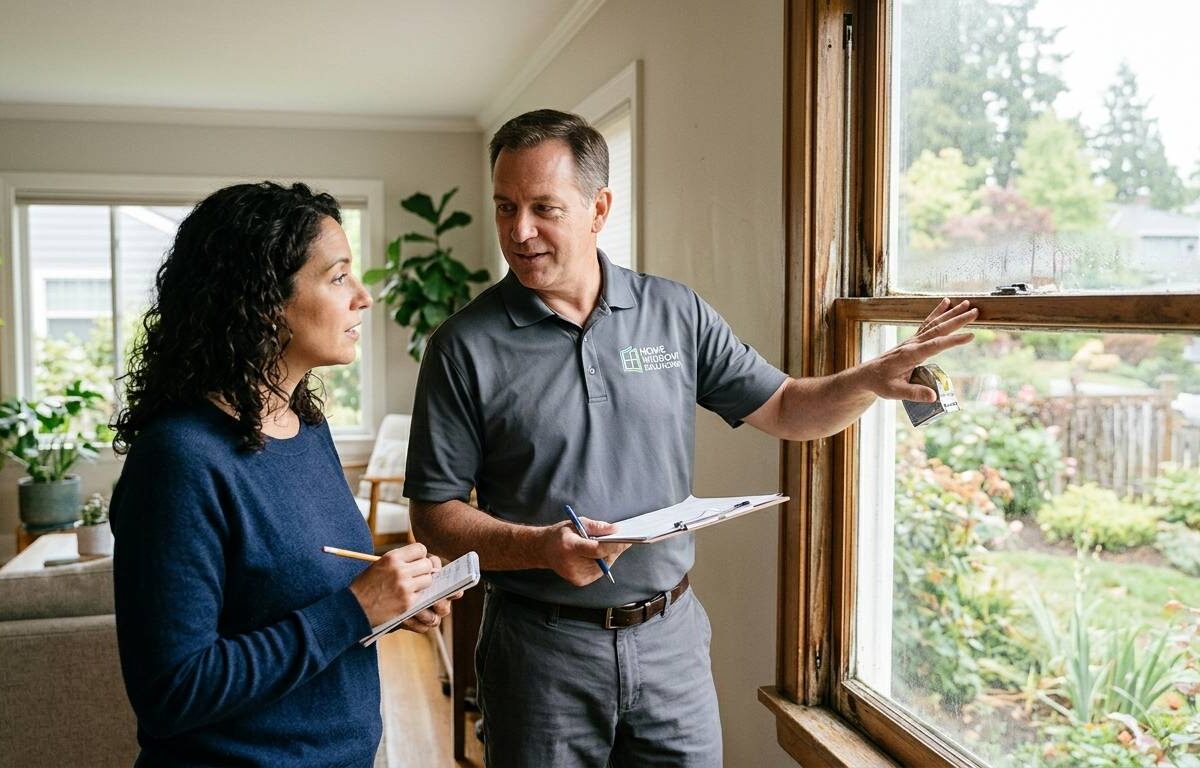
Ask the glazier to inspect more than the visible damage. The assessment should also cover the seals, frame, fittings, and surrounding structure. Replacing the glass without addressing an underlying fitting or frame issue may allow the same problem to return.
Understanding the cause also helps you decide whether urgent action is required. A minor chip may remain stable temporarily, while a heavily cracked pane could create an immediate security or safety risk.
Is the Window Safe to Leave Temporarily?
Not every damaged window presents the same level of danger. A small surface defect may not require an emergency visit. In contrast, shattered glass or a badly cracked pane can increase the risk of injury, weather damage, and unauthorised access.
Ask whether the area should be isolated until a glazier arrives. Keep children and pets away from unstable glass, and do not attempt to remove sharp fragments unless you can do so safely.
If the correct replacement glass is unavailable, ask whether temporary boarding will be provided. Professional boarding can secure the property while the glass is measured, prepared, and fitted.
Can the Existing Glass Be Repaired?
One of the most important questions is whether the existing glass can be repaired effectively. A trustworthy glazier should recommend the most suitable option rather than automatically suggesting the most expensive service.
Minor chips and some localised faults may be repairable. The decision will depend on the size, position, and severity of the damage. However, extensive cracking, shattered panes, failed double-glazed units, and serious seal problems usually require replacement.
Ask what the repair will involve and how long it is expected to last. A low-cost repair offers limited value if it only delays an unavoidable replacement for a short period. The proposed work should provide a safe and durable result.
Why Is Replacement Being Recommended?
If replacement is advised, ask the glazier to explain why. The reason should relate directly to the condition of the glass, safety concerns, lost insulation, security, or the inability to achieve a lasting repair.
You should also confirm whether only the glass needs replacing. In many cases, the existing frame can remain in place if it is sound, secure, and suitable for the new pane or sealed unit.
Replacing only the affected glass may reduce disruption and expense. However, keeping a damaged or deteriorated frame could undermine the performance of the new unit. A careful inspection should guide the final decision.
What Type of Glass Will Be Used?
Different areas of a property may require different types of glass. The right product depends on the location, safety requirements, privacy needs, fire protection, and the design of the existing window.
Ask the glazier to provide the exact glass specification. Relevant options may include:
- Clear float glass for standard windows
- Obscured or patterned glass for privacy
- Laminated safety glass for critical areas
- Fire-rated glass where appropriate protection is required
- Double-glazed units for insulated windows
- Decorative or leaded glass for traditional designs
The new pane should suit both the opening and the surrounding glazing. If appearance matters, ask how closely it will match the existing pattern, tint, thickness, or decorative detail.
Does the Glass Meet Appropriate Standards?
Suitable glass selection is a safety matter, especially for doors, low-level windows, and other critical locations. Ask whether the proposed material and installation method comply with relevant British Standards.
You should also check whether the glazier has experience working with the required glass. Specialist products, including laminated, fire-rated, patterned, and traditional leaded glass, need accurate measuring, handling, cutting, and installation.
A professional should explain why a particular type of glass is appropriate. Be cautious if the recommendation is vague or no technical information is available.
Are the Glaziers Qualified and Experienced?
Before arranging window repair and replacement, confirm who will complete the work. Ask about professional qualifications, industry accreditations, and experience with similar types of glazing.
Established glaziers should be willing to discuss their working standards and areas of expertise. Membership of a recognised trade organisation may provide further reassurance, although you should still complete your own checks.
Review recent customer feedback and look for comments about punctuality, workmanship, communication, and clean-up. Confirm that the company has experience with domestic or commercial properties, depending on the building involved.
You should also ask whether the business carries suitable public liability insurance. Appropriate insurance offers protection if accidental damage or injury occurs during the work.
What Is Included in the Quotation?
A quotation should make it clear exactly what you are purchasing. Ask for a written, itemised price before approving non-emergency work. It should explain the costs of glass, labour, installation materials, and any additional visits.
Confirm whether the quotation includes:
- Measuring and assessing the damaged opening
- Supplying and fitting the specified glass
- Temporary boarding where required
- Removing and disposing of damaged materials
- Cleaning the immediate working area
- VAT and any additional charges
Ask whether a call-out fee applies, especially if you need assistance during the night, at a weekend, or on a public holiday. Confirming this information early helps prevent disagreements once the work has started.
Could the Final Price Change?
Sometimes hidden damage becomes visible only after the existing glass or sealed unit is removed. Ask what circumstances could increase the quoted cost and how the company handles unexpected work.
Do not accept an open-ended agreement. Any extra repair, material, or labour charge should be explained before the additional work begins. You should have the opportunity to approve the revised price.
When comparing quotations, make sure each company is offering the same glass type, fitting service, disposal arrangements, and guarantee. The lowest figure may not represent the best overall value if important services have been excluded.
How Quickly Can the Glazier Attend?
A broken or insecure window may require immediate attention. Ask for a realistic arrival window and explain clearly if the glass is unstable, the property is exposed, or security has been compromised.
Some glazing services operate 24 hours a day throughout the year. However, you should confirm whether the initial visit will deliver a permanent repair or only an inspection and temporary solution.
A glazier with a well-stocked vehicle may be able to complete common glass repairs during the first visit. Specialist, decorative, fire-rated, or made-to-measure units may need to be ordered separately.
What Happens If the Glass Is Unavailable?
If the correct glass cannot be fitted immediately, ask how the opening will be secured. The glazier may take accurate measurements, install temporary boarding, and return once the required materials are ready.
Request an estimated lead time and confirm how the return appointment will be arranged. You should also ask whether the original quotation covers both visits.
Clear communication is particularly important when a property remains boarded. You should know who will provide progress updates and whom to contact if the expected completion date changes.
Is the Work Guaranteed?
Good glazing work should remain safe, secure, and properly fitted after the installer leaves. Ask whether the glass and workmanship are covered by a written guarantee.
Check what the guarantee includes and how long the protection lasts. It may cover the glass, sealed unit, installation, or workmanship. You should also ask about exclusions, as impact damage, building movement, and unrelated frame problems may not be included.
Keep copies of the quotation, invoice, glass specification, and guarantee. These records may be useful if a problem appears later or the property changes ownership.
What Should Be Checked After Installation?
Inspect the completed work before making the final payment. The glass should sit securely, and the surrounding area should be clean and free from dangerous fragments.
Complete a few straightforward checks:
- Make sure the glass matches the agreed specification
- Check that seals and edges look neat and secure
- Open and close the window to test its operation
- Look for visible scratches, chips, or fitting defects
- Confirm that broken glass and waste materials have been removed
Raise any concern immediately. Ask the glazier to explain how and when the issue will be corrected rather than accepting an unclear promise.
How Should Different Providers Be Compared?
Price is important, but it should not be the only deciding factor. A very low quotation may exclude specialist glass, removal of waste, temporary boarding, or a meaningful guarantee.
Compare providers by considering their qualifications, availability, glass specifications, communication, insurance, workmanship standards, and aftercare. Look for clear and verifiable information rather than general claims.
A reliable glazier should answer your questions patiently and explain the available options in simple language. Pressure to approve work immediately, without a proper inspection or written price, should be treated with caution unless urgent action is essential for safety.
Conclusion
Choosing a glazing service should not be a rushed decision unless immediate safety demands urgent action. Even then, you can ask direct questions about temporary boarding, glass specifications, qualifications, costs, response times, and guarantees. Start by understanding the cause and severity of the damage. Then confirm whether repair is practical or replacement offers better long-term value.
Request a written quotation, clarify possible extra charges, and check the installer’s credentials before approving the job. If specialist glass is needed, make sure it suits the location and meets appropriate standards. You should also inspect the completed work and retain all supporting documents. Asking these questions gives you greater control and reduces the risk of unsuitable materials, hidden costs, or poor workmanship. With careful checks and clear communication, window repair and replacement can restore your property’s security, appearance, privacy, and performance with confidence.