Summer heat can turn a comfortable house into a place that feels hard to cool. An aging or poorly maintained air conditioner struggles to keep up, runs longer than necessary, and leaves some rooms warmer than others. Simple improvements often restore better performance without requiring a complete system replacement. Focusing on airflow, efficiency, and smart operation helps the equipment handle hot weather more effectively. Homeowners who want reliable air conditioning for warmer seasons usually see the biggest gains from a combination of maintenance, targeted upgrades, and better control of how cooled air moves through the house.
Comfort depends on more than the thermostat setting. Dirty components, leaky ducts, and outdated controls force the system to work harder while delivering uneven results. Addressing these issues reduces energy use and creates more consistent temperatures.
Start with Basic Maintenance
Clean equipment performs better. Replace or clean the air filter every one to three months during heavy cooling season. A clogged filter restricts airflow, reduces efficiency, and can cause the evaporator coil to freeze. Choose a filter that matches the system’s design; higher-MERV filters capture more particles but may need more frequent changes if the blower is not sized for them.
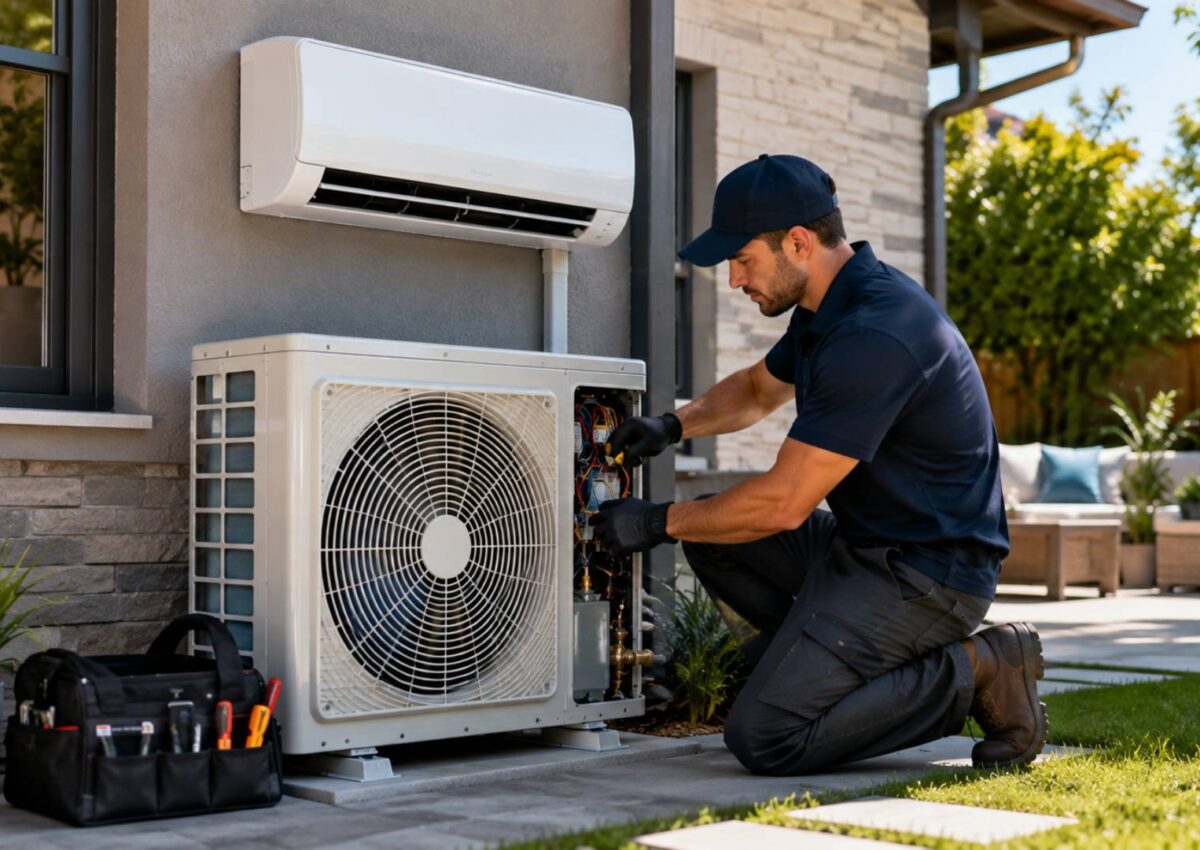
Keep the outdoor condenser unit clear of leaves, grass clippings, and debris. Maintain at least two feet of open space around it so air can circulate freely. Gently rinse the fins with a hose if they appear dirty, taking care not to bend them. Schedule professional maintenance once a year. A technician can clean the evaporator and condenser coils, check refrigerant levels, test electrical connections, and verify that the system is operating within design parameters.
These steps cost little compared with the comfort and efficiency they restore. Many systems lose noticeable capacity simply because they are dirty or restricted.
Improve Airflow and Distribution
Cooled air must reach the rooms where people spend time. Leaky or poorly designed ducts waste a significant portion of that air in attics, crawl spaces, or wall cavities. Sealing accessible duct joints with mastic or approved metal tape reduces losses. Insulating ducts that run through hot attics keeps the supply air cooler as it travels.
Make sure supply registers and return grilles are open and unobstructed. Furniture, rugs, or curtains that block airflow create uneven temperatures and higher static pressure. In multi-story homes, balancing dampers can help direct more air to upper floors that tend to gain heat.
Ceiling fans improve comfort by creating a breeze that makes the same temperature feel cooler. Running fans in occupied rooms allows a slightly higher thermostat setting without sacrificing comfort. Turn fans off when rooms are empty so they do not stir warm air unnecessarily.
Upgrade Controls and Thermostats
An older thermostat with wide temperature swings can leave the house feeling too warm or too cold. A programmable or smart thermostat maintains more consistent temperatures and can adjust settings automatically when the house is empty. Many models learn occupancy patterns or allow remote adjustments from a phone.
Set the thermostat to a reasonable temperature rather than an extreme low setting. Each degree lower increases energy use. A modest increase when the house is unoccupied, combined with ceiling fans when people are home, often produces better overall results than constant deep cooling.
Zoning systems with multiple thermostats and motorized dampers offer more precise control in larger homes. They direct cooled air only where it is needed, reducing waste in unused areas.
Reduce Heat Gain Before the Air Conditioner Works
The less heat that enters the house, the less work the air conditioner must do. Close blinds or curtains on sun-facing windows during the hottest part of the day. Solar screens or reflective window film can lower heat gain without eliminating natural light. Seal air leaks around windows, doors, and attic hatches so hot outdoor air does not infiltrate.
Attic insulation and ventilation play major roles. Adequate insulation keeps attic heat from transferring into living spaces. Proper soffit and ridge ventilation helps exhaust hot air from the attic rather than allowing it to radiate downward. These improvements reduce the cooling load and help the air conditioner maintain set temperatures more easily.
Consider Equipment Upgrades When Needed
If the system is more than 10–15 years old, frequently needs repairs, or cannot keep up on the hottest days, replacement may be the most practical improvement. Modern air conditioners offer higher Seasonal Energy Efficiency Ratio (SEER2) ratings and better humidity control than older units. Variable-speed compressors and blowers adjust output to match the load, which improves both comfort and efficiency.
Proper sizing remains critical. An oversized unit cools the air quickly but may not run long enough to remove humidity, leaving the house feeling clammy. An undersized unit runs continuously and still fails to reach the set temperature. A load calculation that accounts for the home’s insulation, windows, orientation, and air sealing produces a more accurate size than rules based only on square footage.
When replacing equipment, evaluate the duct system at the same time. New high-efficiency equipment connected to leaky or restrictive ducts will not deliver its full potential.
Additional Comfort Measures
Keep interior doors open when possible so air can circulate. Use kitchen and bathroom exhaust fans sparingly during peak cooling hours, or make sure they are not pulling excessive conditioned air out of the house. Shade outdoor condensers with landscaping or structures that do not restrict airflow.
Monitor humidity. High indoor humidity makes the air feel warmer than the thermostat reading. Systems with variable-speed technology or dedicated dehumidification modes handle moisture better than older single-stage units.
Conclusion
Better summer comfort comes from helping the air conditioner work under more favorable conditions rather than simply demanding more cooling. Regular filter changes, clean coils, sealed ducts, and clear airflow paths restore lost capacity. Programmable thermostats, ceiling fans, and reduced heat gain through windows and the attic lower the overall load. When equipment is aging or undersized, a properly selected modern system can deliver more consistent temperatures with less energy use. Combining these improvements produces a home that stays more comfortable on hot days while placing less strain on the cooling equipment. Consistent attention to maintenance and air distribution usually yields noticeable results before the peak of the next cooling season arrives.